UnderStory
Fresh ideas and courageous voices are taking root below the mainstream.
A space where people with completely different backgrounds reflect on the same questions about our bond with the earth, with each other, and with ourselves.
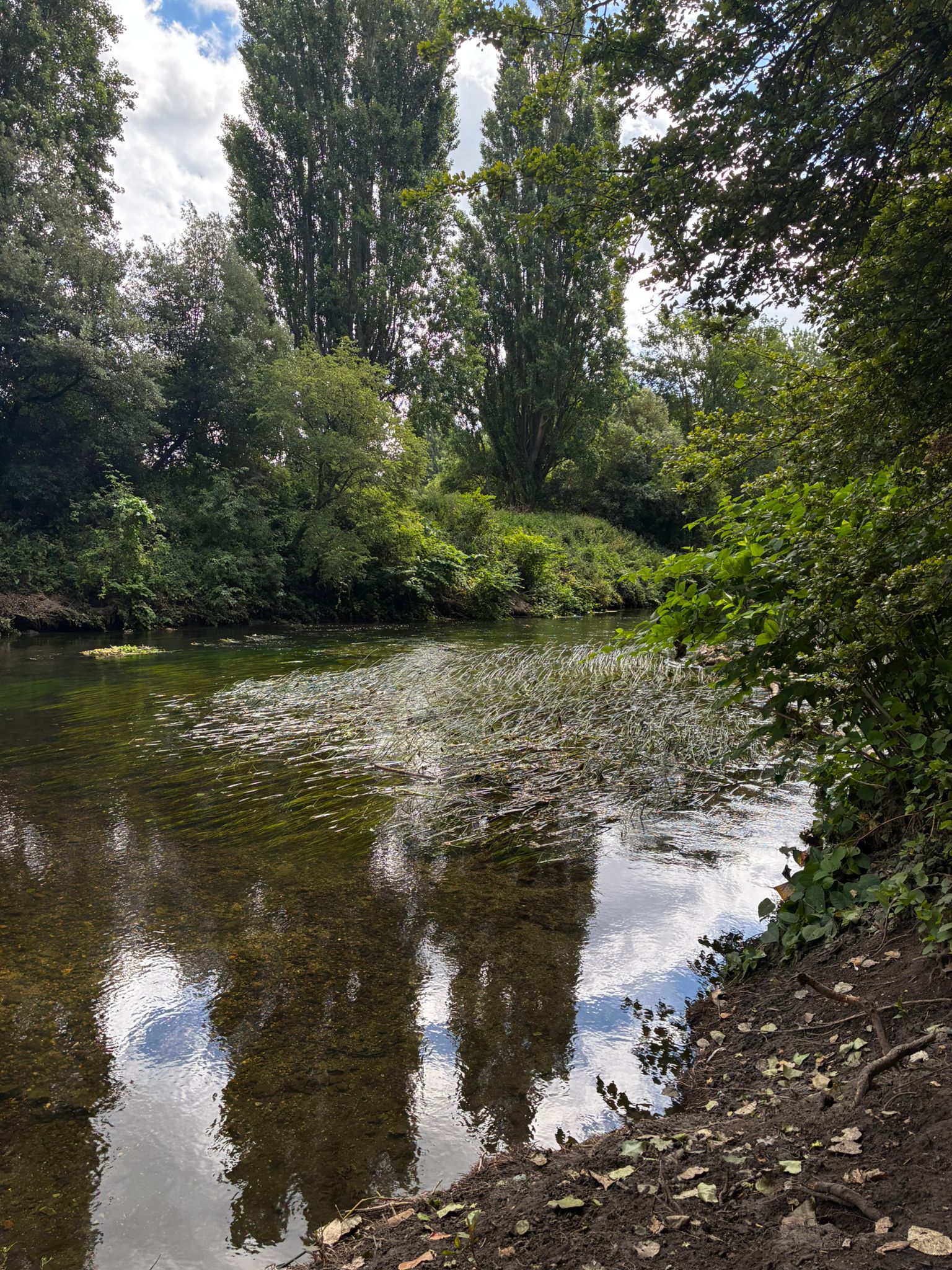
Fresh and potentially revolutionary ideas grow below what gets attention, long before they reach the canopy.
In nature, the understory is the first layer of the forest. It's where plant life grows in shaded regions, beneath the canopy. The most vital movements begin here, in the nutrient-rich margins.
In society, that translates into the ideas, voices, and practices that emerge outside established institutions, headlines, and elite consensus. UnderStory is where those ideas gather force before they go mainstream.
An archive of constructive ideas from the collective.
Voices from people who would rarely share a page
Invitation-only contributors who are diverse in trade, age, geography and lived experience. Chosen for their wisdom, clarity, and constructive imagination.
Standard questions and prompts to get comparable responses
Contributors answer from a same small set of questions and reflection types. This can reveal patterns across very different voices.
Short, honest, readable contributions
Entries are meant to be short; in simple, accessible language. 2,500 characters (~400 words). Prose or poetry.
A space where unlike minds think together and cultivate constructive ideas
A musician, a professor, a film-maker, a scientist, an investor, a carpenter, and a novelist from multiple regions, and across generations answer the same questions, revealing something about the future we can envision.
Choose a topic, a type of reflection and share your thoughts.
Choose a topic
Which bond do you want to explore?
Climate & nature (our bond with the Earth) · Power & the commons (our bond with others) · Meaning & connection (our bond with oneself)
Select a reflection type
What kind of reflection are you making?
Misconception (dispill a myth) · Recommendation (offer concrete advice) · Radical vision (dare to dream) · The complete set (take your idea through the three reflection types)
Respond to the prompt
2,500 characters (~400 words) or less. Prose or poetry. Offer 3 books to recommend. Add any illustrative material (optional).
We publish it
With a two-line bio. We curate our contributors, so we respect their words.
Three bonds. From polycrisis → to possibility.
Climate & nature
Our bond with the Earth.
Global warming · biodiversity collapse · unlimited extraction · natural-capital depletion
↓
Regeneration · reclaiming value · rewilding · re-embedding within planetary boundaries
Power & the commons
Our bond with each other.
Wealth & power concentration · gender divides · erosion of trust · colonial structures · institutional capture
↓
Redistribution · safety · agency · care · the commons · collective good
Meaning & connection
Our bond with ourselves.
Loneliness · disease · alienation · identity conflict · crisis of imagination
↓
Belonging · health · connection · creativity · freedom · mental & emotional balance · imagination
No serious crisis should go to waste.
Misconception
"People often think X, but, actually..." A hot-take: an alternative to a widely held view that may be mainstream but misses something essential.
Recommendation
"We should/could/shall do X..." A concrete policy, institutional, or cultural change that would unlock meaningful progress.
Radical vision
"What if we X ..." A vivid description of the world you want and envision, and the shift that could make it possible.
Similar questions answered by different voices can be compared to uncover patterns.
Climate & nature
What do most people get radically wrong about our relationship with the natural world?
What policy, institutional, or cultural change would help societies live within the Earth's limits?
Describe a morning in 2050 in a society that has made its peace with nature. What changed?
Power & the commons
What truth about power, inequality, race, or gender could help us heal our bond with each other?
What policy, institutional, or cultural change would foster inclusive systems that strengthen social bonds?
What does shared prosperity actually look like in someone's daily life?
Meaning & connection
What are we getting wrong about what makes life meaningful, and who benefits from that confusion?
What policy, institutional, design, or cultural change would help people thrive?
It's 2050. Something has shifted in how humans relate to each other and to themselves. What changed?
Invitation-only, but the door remains open.
Contributors' curation is the way we edit. We select voices that bring depth, clarity, and a distinct perspective. We prioritise substance over prestige or recognition. We want the archive to grow, so we keep an open door.